IMI-RAHO Holds Doctors’ Gathering: Building an Independent Health Innovation Ecosystem
12:21, 09 May 2025 by admin
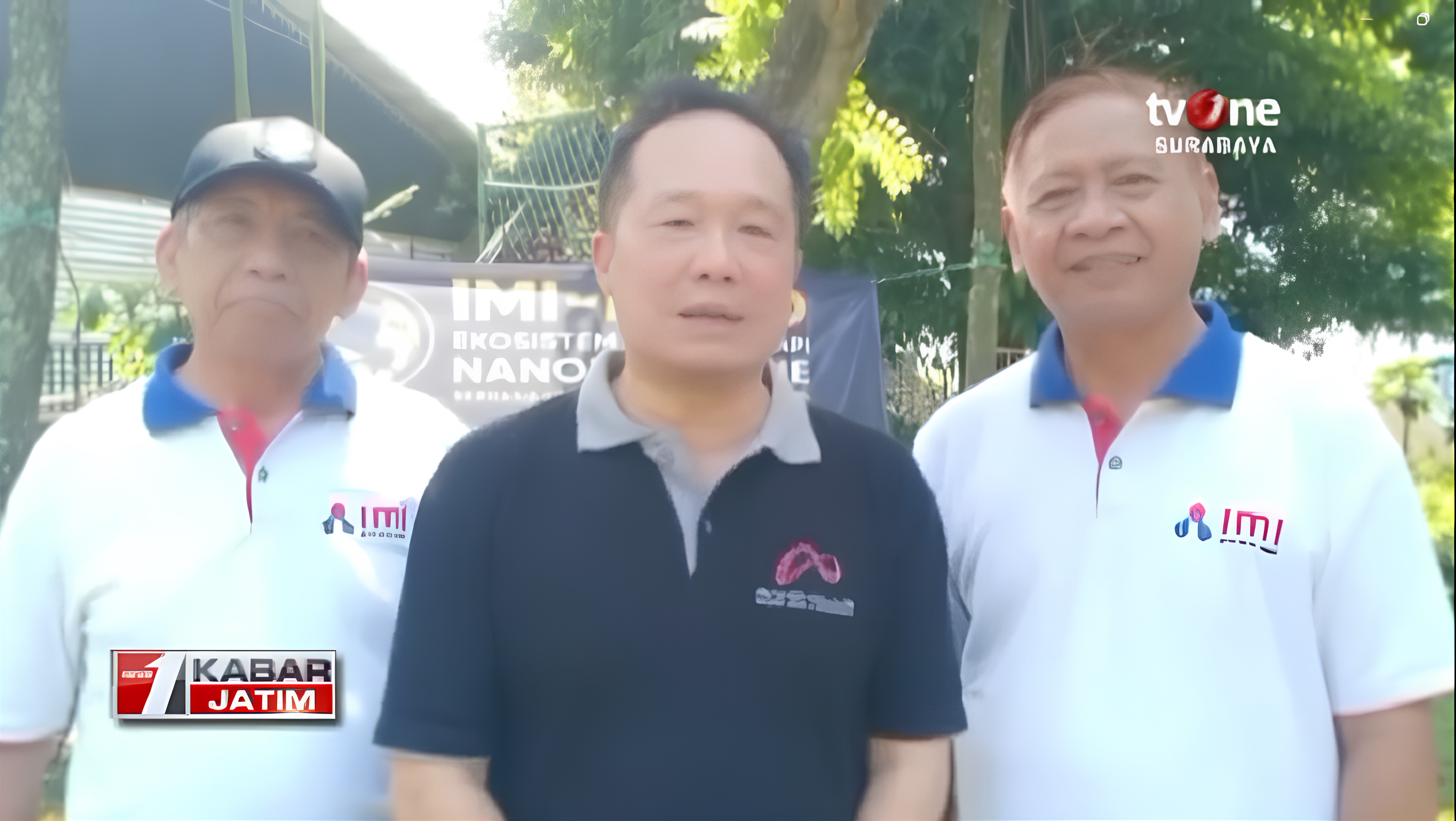
Batu – East Java, May 4, 2025 — In an exclusive interview broadcast by TV ONE Surabaya, key figures from the Institute of Molecular Indonesia (IMI) and the Reverse Aging & Homeostasis (RAHO) Club—Prof. Sutiman Bambang Sumitro, Mr. Kan Eddy, and Dr. Subagyo—shared their insights and experiences regarding the role of innovation, technology, and multidisciplinary collaboration in improving public health quality. The interview took place as part of the IMI-RAHO Doctors’ Gathering, held over two days in Batu City, attended by dozens of IMI doctors and RAHO Club members.
On this occasion, Mr. Kan Eddy explained that RAHO Club is a community that aims to build a collaborative ecosystem between researchers and clinicians. “IMI-RAHO Club is a place where local innovations can be developed, applied, and eventually reach the wider community,” he stated. He emphasized that this ecosystem is built independently and self-funded by its members as a commitment to creating health solutions from within the country. He also expressed hope that this effort would gain support from the government, especially from President Prabowo Subianto, so that local innovations could grow more widely and have a national impact.
Meanwhile, Prof. Sutiman Bambang Sumitro, a professor of molecular biology, emphasized the importance of scientific innovation based on nanotechnology in addressing degenerative diseases that have long been difficult to treat with conventional medical methods. He highlighted research on nanobubbles as an example of technological development with great potential for chronic disease therapy. “We aim to be the first to resolve several degenerative disease problems that have so far been unsolvable through existing medical science,” he stated. Prof. Sutiman encouraged young researchers to explore interdisciplinary approaches in advancing research.
dr. Subagyo highlighted the importance of public education in the implementation of this health innovation. According to him, efforts to raise awareness and understanding of new technologies such as nanobubbles must be accompanied by structured and evidence-based educational programs. He conveyed that collaboration between health practitioners, academics, and communities is the key to successfully implementing this technology practically in healthcare services.
The speakers agreed that building an independent health system based on local resources is a strategic step in facing national health challenges. They are determined to create a system that not only solves health problems using domestic technology but also carries strong scientific accountability. In the interview, they affirmed that IMI-RAHO Club aims to be a leading force in solving degenerative diseases that have long remained unresolved by conventional medical approaches.
In addition to emphasizing the importance of collaboration and innovation, this interview also served as an open invitation to all parties—including the government, private sector, and the wider community—to support the development of health research based on nanotechnology. They reminded that independence in the health sector is not only about technology but also about the courage to take collective steps for a better national health future.
The interview aired by TV ONE Surabaya marks an important moment to show that Indonesia has the capacity and potential to become a pioneer in health innovation. With multidisciplinary collaboration, a supportive ecosystem, and shared commitment, scientists and health practitioners are optimistic that Indonesia can become self-reliant in solving health problems that have long been considered impossible.