Reverse Aging: New Innovations to Live Younger and Healthier
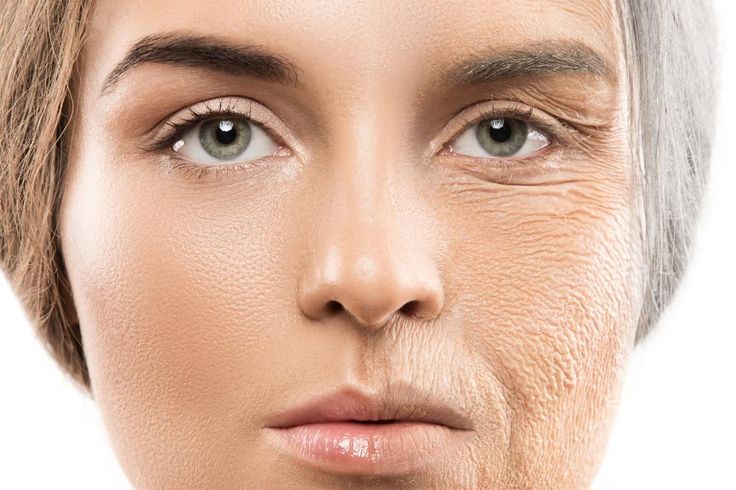
With the advancement of science and technology, the concept of "reverse aging"—or reversing the aging process—is no longer just a dream. Scientists around the world continue to research ways to extend human lifespan while maintaining health and vitality. What exactly is reverse aging, and how does science play a role in this effort? Let’s explore further.
What Is Reverse Aging?
Reverse aging is a concept that refers to the process of restoring cells, tissues, or even organs to a younger and healthier state. Unlike merely slowing down aging, reverse aging focuses on cell recovery and regeneration to restore bodily functions to those of a younger age. In biology, aging is caused by various factors, including DNA damage, the decline of stem cell function, and the accumulation of free radicals that cause oxidative stress. Researchers believe that by understanding and controlling these factors, the aging process can be slowed or even reversed.
The Science Behind Reverse Aging: Hydrogen Nanobubbles
One of the latest innovations in reverse aging research is the use of hydrogen nanobubbles. Hydrogen is known as a powerful antioxidant capable of neutralizing free radicals that damage cells and accelerate aging. Hydrogen nanobubble technology allows hydrogen to be absorbed more efficiently by body cells, providing optimal benefits in slowing and even reversing the aging process.
How do Hydrogen Nanobubbles Work?
Hydrogen nanobubbles function through several mechanisms. First, by neutralizing free radicals—hydrogen is a highly potent and selective antioxidant. When it enters the body, hydrogen works by capturing harmful free radicals that cause oxidative stress, a major cause of cellular aging. Second, by enhancing mitochondrial function—mitochondria are the powerhouses of the cell, playing a role in metabolism and cell regeneration. By reducing oxidative stress, hydrogen helps mitochondria function more efficiently, generating sufficient energy to repair body tissues. Third, by reducing inflammation—chronic inflammation is often associated with various degenerative diseases and premature aging. Hydrogen possesses anti-inflammatory properties that help reduce inflammation and improve overall health. Fourth, by accelerating cell regeneration—studies show that exposure to hydrogen can enhance cell regeneration and repair damaged tissues, contributing to body rejuvenation.
The Benefits of Hydrogen Nanobubbles in Reverse Aging
The use of hydrogen nanobubbles in reverse aging therapy provides various key benefits, such as improving skin quality by reducing wrinkles and increasing elasticity, optimizing energy production to boost vitality, and helping combat degenerative diseases like Alzheimer's and heart disease. Additionally, this therapy plays a role in strengthening the immune system and reducing the risk of chronic inflammation, thereby supporting overall health.
The Future of Reverse Aging with Hydrogen Nanobubbles
With the advancement of technology and a deeper understanding of the aging mechanism, hydrogen nanobubbles have become one of the most promising breakthroughs in the field of health and longevity. Scientists continue to develop innovative ways to improve the effectiveness of hydrogen therapy in extending human lifespan while maintaining optimal health. Ongoing research brings us closer to a reality where the aging process can be slowed or even reversed through more efficient and safe methods.
By understanding the science behind hydrogen nanobubbles, we can make more informed decisions about body care and utilize this technology to improve quality of life. Integrating hydrogen therapy into a healthy lifestyle has the potential to provide long-term benefits in maintaining vitality and extending lifespan with optimal health.
Reference:
https://molecularhydrogeninstitute.org/
Fu Z, Zhang J, Zhang Y. Role of Molecular Hydrogen in Ageing and Ageing-Related Diseases. Oxid Med Cell Longev. 2022 Mar 18;2022:2249749. doi: 10.1155/2022/2249749. PMID: 35340218; PMCID: PMC8956398. https://pmc.ncbi.nlm.nih.gov/articles/PMC8956398/
Huang CS, Kawamura T, Toyoda Y, Nakao A. Recent advances in hydrogen research as a therapeutic medical gas. Free Radic Res. 2010 Sep;44(9):971-82. doi: 10.3109/10715762.2010.500328. PMID: 20815764. https://pubmed.ncbi.nlm.nih.gov/20815764/