
Nitric Oxide: A Small Molecule for Healthy Blood Vessels
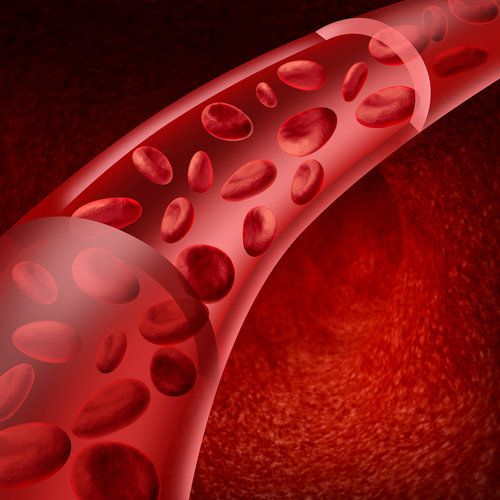
Blood vessel health is a key factor in maintaining cardiovascular function. One essential molecule that plays a crucial role in blood vessel health is Nitric Oxide (NO). This gas is a gasotransmitter naturally produced in the body and acts as a primary vasodilator, helping to dilate blood vessels, ensure smooth blood flow, regulate blood pressure, enhance vascular elasticity, and protect the endothelium from damage. Despite being a small molecule, NO has a significant impact on maintaining vascular health.
How Does Nitric Oxide Work?
NO is produced by endothelial cells, the thin layer lining the inner walls of blood vessels. This process is mediated by the enzyme endothelial nitric oxide synthase (eNOS), which converts L-arginine into NO and L-citrulline. When blood flows smoothly, endothelial cells respond by increasing eNOS activity, thereby producing more NO to help maintain vascular flexibility.
Once formed, NO spreads to the smooth muscle layer surrounding the blood vessels, where it sends signals to relax the vascular muscles. As a result, the blood vessels dilate (vasodilation), allowing blood to flow more smoothly and helping to lower blood pressure. This process is crucial to ensure that the body's organs receive adequate oxygen and nutrients, thereby maintaining overall cardiovascular health.
Benefits of Nitric Oxide for Blood Vessel Health
NO plays a vital role in maintaining vascular elasticity, helping blood vessels remain flexible. By preserving the flexibility of arteries and veins, NO reduces the risk of hypertension and other cardiovascular disorders. Additionally, NO acts as a natural vasodilator, which helps lower blood pressure by widening blood vessels and reducing the heart's workload. This is particularly beneficial for individuals with hypertension or those at risk of heart disease.
Besides stabilizing blood pressure, NO also plays a role in preventing atherosclerosis, a condition where plaque builds up and clogs blood vessels. NO protects blood vessel walls by reducing inflammation and inhibiting platelet aggregation, which can lead to arterial narrowing or blockage. By preventing these processes, NO helps lower the risk of heart attacks and strokes. Furthermore, NO contributes to improving blood circulation to vital organs such as the heart, brain, and muscles, making it highly beneficial for athletes in enhancing physical performance and speeding up recovery after intense exercise.
Additionally, maintaining optimal NO production is crucial for protecting the body from cardiovascular diseases. By keeping the vascular system healthy and preventing blood clot formation, NO plays a key role in maintaining heart function. Therefore, ensuring that the body produces sufficient NO is essential for maintaining heart health and preventing various cardiovascular disorders in the future.
How to Increase Nitric Oxide Production
To ensure optimal NO production in the body, several healthy lifestyle habits should be adopted. One effective method is consuming nitrate-rich foods, such as spinach, kale, beets, and lettuce, which can be converted into NO in the body. Additionally, L-arginine and L-citrulline intake from foods like lean meats, nuts, and watermelon can help enhance NO production. Regular exercise is also an effective strategy, as physical activity increases shear stress (blood flow pressure against blood vessel walls), which naturally stimulates NO production.
Besides focusing on nutrition and exercise, avoiding harmful habits is equally important for supporting NO production. Excessive stress can increase cortisol levels, which may inhibit NO production, making stress management through relaxation techniques or meditation essential. Furthermore, smoking and excessive alcohol consumption can damage endothelial cells, which are the primary site for NO production. Therefore, maintaining a healthy lifestyle by consuming the right foods, exercising regularly, and avoiding unhealthy habits is the key to ensuring optimal NO production and promoting vascular health.
Why Does the Body Still Need Nitric Oxide Nanobubbles?
Although the body naturally produces NO, various factors can cause a decline in its production, especially with age. As people age, the ability of endothelial cells to produce NO decreases due to reduced eNOS enzyme activity, leading to reduced vascular elasticity and an increased risk of hypertension and cardiovascular diseases. Additionally, medical conditions such as hypertension, diabetes, obesity, and atherosclerosis can further impair NO production, resulting in vascular dysfunction and an increased risk of cardiovascular complications. External factors such as pollution exposure, oxidative stress, poor diet, and lack of physical activity also contribute to low NO levels in the body. In such cases, NO nanobubble therapy offers an innovative solution to compensate for NO deficiencies caused by aging and medical conditions, thereby maintaining vascular health and supporting cardiovascular function optimally.
Moreover, natural NO production in the body is rapidly degraded, as it has a very short half-life (only a few seconds). This means that naturally produced NO cannot last long enough to provide sustained effects. NO nanobubble therapy allows NO to persist longer in the bloodstream and be directly absorbed by endothelial and vascular smooth muscle cells. Administering NO through nanobubbles also enhances its bioavailability, ensuring more effective vasodilation than relying solely on the body's natural production. With NO nanobubbles, the body receives a more stable and controlled NO supply, maximizing and prolonging its beneficial cardiovascular effects.
NO Nanobubbles Therapy as a Support for Cardiovascular and Metabolic Disease Treatment
NO nanobubble therapy is also a crucial support in treating cardiovascular and metabolic disorders. In patients with coronary artery disease, stroke, and heart failure, NO production is significantly impaired and insufficient to maintain vascular function. Additionally, individuals with erectile dysfunction often experience NO deficiency, as NO is essential for relaxing blood vessels in the reproductive system. As a result, NO nanobubble therapy has been developed as a supportive method to restore vascular function, especially in patients with severe hypertension or coronary artery narrowing, helping improve blood flow and maintain vascular elasticity more effectively.
Although the body can naturally produce Nitric Oxide (NO), numerous factors can reduce or inhibit its production, including aging, chronic diseases, lifestyle habits, and resistance to NO. NO nanobubble therapy provides an efficient and rapid solution to increase NO levels in the body, supporting vascular elasticity, lowering blood pressure, and preventing cardiovascular diseases.Thus, although NO is naturally produced in the body, additional therapy through NO nanobubbles remains necessary to ensure that the body receives sufficient NO to maintain heart and vascular health.
References:
Ma, T., Zhang, Z., Chen, Y., Su, H., Deng, X., Liu, X., & Fan, Y. (2021). Delivery of nitric oxide in the cardiovascular system: Implications for clinical diagnosis and therapy. International Journal of Molecular Sciences, 22(22), 12166. https://doi.org/10.3390/ijms222212166
Da Silva, F. C., De Araújo, B. J., Cordeiro, C. S., Arruda, V. M., Faria, B. Q., Da Costa Guerra, J. F., De Araújo, T. G., & Fürstenau, C. R. (2022). Endothelial dysfunction due to the inhibition of the synthesis of nitric oxide: Proposal and characterization of an in vitro cellular model. Frontiers in Physiology, 13. https://doi.org/10.3389/fphys.2022.978378
Janaszak-Jasiecka, A., Płoska, A., Wierońska, J. M., Dobrucki, L. W., & Kalinowski, L. (2023). Endothelial dysfunction due to eNOS uncoupling: molecular mechanisms as potential therapeutic targets. Cellular & Molecular Biology Letters, 28(1). https://doi.org/10.1186/s11658-023-00423-2