
Nanoimmunotherapy: A New Dawn in the Battle Against Cancer
By: Dito Anurogo, M.D., M.Sc., Ph.D.
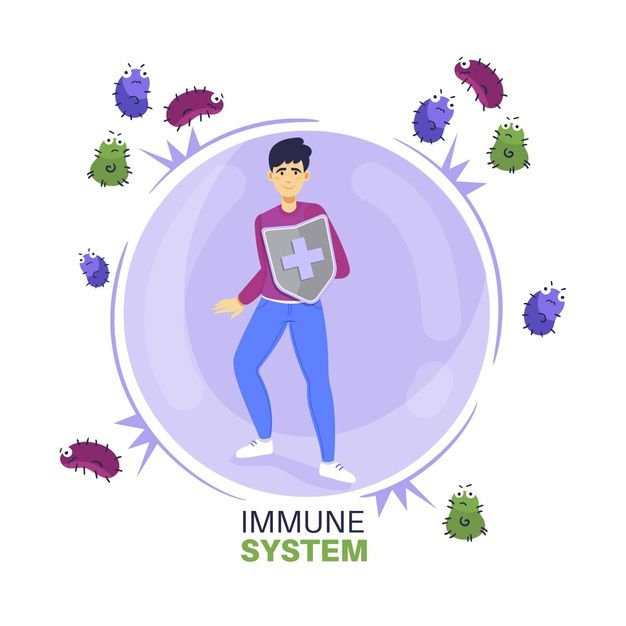
Imagine the immune system as a battalion of gatekeepers, constantly patrolling and protecting the body from imminent threats, be it infections or rogue cells mutating into cancer. Yet, cancer is no ordinary adversary. It is cunning, capable of disguising itself, deceiving its enemies, and even incapacitating the gatekeepers. This is where nanoimmunotherapy emerges as a revolutionary approach, introducing sophisticated weaponry to combat what is often perceived as an invincible foe.
Nanoimmunotherapy, as its name suggests, is a fusion of two cutting-edge disciplines: immunotherapy—a medical strategy designed to bolster the body's immune defenses—and nanotechnology, the art of engineering structures and devices on a nanometer scale (comparable to the size of molecules). This fusion not only enables more advanced therapeutic strategies but also ensures treatments that are more precise, humane, and efficacious.
The Immune System: A Fortress Under Siege
To grasp how nanoimmunotherapy operates, one must first understand the intricate interplay between cancer and the immune system. The immune system possesses two primary lines of defense: innate immunity and adaptive immunity. Innate immunity serves as the first line of defense, with natural killer (NK) cells directly attacking invaders. Adaptive immunity, on the other hand, is akin to an elite task force—T cells and B cells recognize specific targets and launch precision strikes.
However, cancer is an exceptionally shrewd opponent. It creates an immunosuppressive tumor microenvironment, akin to shrouding the battlefield in a dense fog, thereby impairing the immune system's ability to identify its threat. Tumors release molecules such as transforming growth factor-beta (TGF-β) that effectively "convince" immune cells to stand down. Furthermore, tumors can camouflage themselves by downregulating the expression of major histocompatibility complex (MHC) molecules, essential for immune recognition.
In such scenarios, nanoimmunotherapy acts as a game-changer, reigniting the immune system's vigilance. By delivering therapeutic molecules directly into the tumor microenvironment—the heart of the battleground—this approach reactivates "dormant" immune cells and aids them in identifying and eradicating tumors.
Nanoparticles: The Game-Changing Vehicles
At the core of nanoimmunotherapy lies the use of nanoparticles. These particles, minuscule in size—ranging from 1 to 100 nanometers—are far smaller than the width of a human hair. Their diminutive size allows them to traverse biological barriers previously impervious to conventional drugs.
Nanoparticles can be envisioned as intelligent cargo carriers. They are engineered to transport drugs, genes, or molecules designed to fortify the immune response. For instance, liposomes, spherical vesicles composed of lipids, can encapsulate checkpoint inhibitors—molecules that block immune brakes like PD-1 or CTLA-4—enabling T cells to unleash their full potential against tumors.
Furthermore, polymer-based nanoparticles, such as those crafted from poly(lactic-co-glycolic acid) (PLGA), have demonstrated remarkable promise. PLGA nanoparticles can encapsulate chemotherapeutic agents, releasing them slowly and in a controlled manner at the tumor site. This not only minimizes toxic side effects on healthy tissues but also enhances therapeutic efficacy.
Beyond Drugs: Delivering Genes and Vaccines
Nanoimmunotherapy extends its potential beyond mere drug delivery. It facilitates the targeted administration of genes and vaccines to tumors. Therapeutic cancer vaccines, for instance, are designed to elicit an immune response against existing tumors. With the aid of nanoparticles, RNA- or DNA-based vaccines can be shielded from enzymatic degradation within the body, ensuring prolonged efficacy and robust immune memory.
This technology even enables the personalization of vaccines based on a patient’s tumor genetic profile. By leveraging neoantigens—unique proteins arising from tumor-specific mutations—scientists can develop vaccines tailored to individual patients. Nanoparticles then serve as precision couriers, delivering these bespoke vaccines to their intended targets with unparalleled accuracy.
The Tumor Microenvironment: Turning Barriers into Opportunities
A tumor is more than just a mass of cancerous cells. It is surrounded by a complex microenvironment composed of fibroblasts, aberrant blood vessels, and immune cells such as regulatory T cells (Tregs) and tumor-associated macrophages (TAMs). Regrettably, these components often foster immunosuppression, aiding tumor growth rather than combating it.
Nanoimmunotherapy creates opportunities to reprogram this hostile microenvironment into an ally. For instance, nanoparticles loaded with TGF-β inhibitors can prevent TAMs from adopting pro-tumor phenotypes. Similarly, nanoparticles designed to release pro-inflammatory cytokines such as interleukin-12 (IL-12) can attract more effector T cells into the tumor, amplifying the immune response.
Synergy with Conventional Immunotherapy
One of nanoimmunotherapy's greatest strengths lies in its ability to synergize with conventional immunotherapy approaches. For example, checkpoint inhibitors delivered via nanoparticles not only enhance their efficacy but also reduce systemic side effects such as autoimmunity. Additionally, combining nanoimmunotherapy with photothermal therapy—using gold nanoparticles heated by laser light—can accelerate selective cancer cell death without harming surrounding healthy tissues.
Challenges to Clinical Translation
Despite its promising potential, nanoimmunotherapy faces several challenges. The large-scale production of nanoparticles with consistent characteristics remains a technical hurdle. Moreover, regulatory frameworks and safety standards vary across nations, requiring harmonization to facilitate widespread adoption.
The long-term toxicity of nanoparticles is another pressing concern. Although materials like PLGA and liposomes are generally considered safe, comprehensive longitudinal studies are needed to confirm their biocompatibility and ensure they do not induce unforeseen adverse effects.
The Future of Nanoimmunotherapy
Nanoimmunotherapy heralds a new era in cancer treatment—an era where therapies are no longer generic but are instead meticulously personalized. By harnessing advancements in genomic sequencing and artificial intelligence, these therapies can be tailored to an individual's molecular profile.
Picture a world where cancer is no longer a death sentence but a manageable condition. Through the seamless integration of nanotechnology and immune system dynamics, nanoimmunotherapy offers renewed hope to millions of patients worldwide, promising a future that is brighter, more precise, and filled with possibilities.