
Hydrogen Water: An Energy-Boosting Solution for Obesity and Liver Health
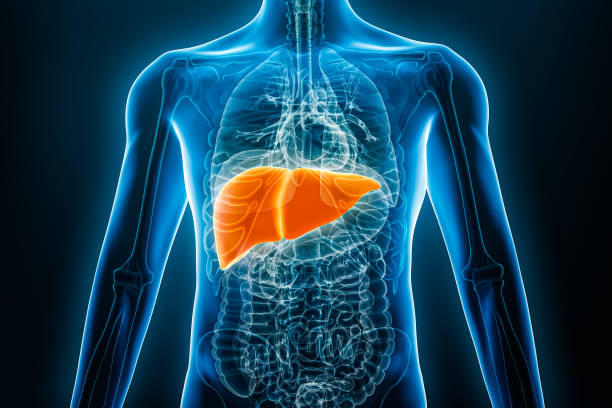
In a groundbreaking study, researchers have uncovered exciting new insights into the benefits of hydrogen water (H2) for obesity, liver health, and energy metabolism. The study revealed that H2 can be accumulated and stored in the liver with glycogen, suggesting a mechanism for its effectiveness. Furthermore, consuming H2-water has shown to reduce oxidative stress, improve fatty liver, and regulate metabolic parameters. Let's delve into the details of this fascinating research.
H2 Accumulation in the Liver: Through dynamic monitoring, it was discovered that H2 concentration in the liver peaked 5 minutes after oral administration of H2-water. Interestingly, the fed liver exhibited higher levels of H2 and maintained it for a longer duration compared to the fasted liver. This observation led researchers to investigate the potential role of glycogen, a complex carbohydrate abundant in the fed liver, in H2 accumulation. Indeed, experiments demonstrated that glycogen solutions could dissolve and retain a significantly higher amount of H2 compared to glucose solutions or water. These findings suggest that H2 can be stored in the liver alongside glycogen, facilitating its release when needed.
Reduction of Oxidative Stress and Fatty Liver: The consumption of H2-water has been shown to have powerful antioxidant effects. In obese and diabetic mice, drinking H2-water for three months significantly reduced oxidative stress levels in the liver. Furthermore, H2 administration improved fatty liver conditions, as evidenced by reduced fat accumulation and improved liver appearance. Similar effects were observed in mice with diet-induced obesity. These findings highlight the potential of H2-water in combating oxidative stress-related liver complications.
Suppression of Body Weight Gain and Improved Metabolic Parameters: The study also explored the effects of H2-water on body weight and metabolic parameters. Mice were divided into three groups: a control group that drank regular water, a group that consumed H2-water with 100% saturation, and a group that consumed H2-water with 10% saturation. The mice in the H2-water groups exhibited a modest increase in body weight compared to the control group. Notably, the 100% H2-water group had significantly lower body weight and reduced body fat mass. Moreover, plasma glucose and triglyceride levels were significantly reduced in both H2-water groups. These findings suggest that H2 consumption stimulates energy metabolism, leading to the suppression of fat and body weight gain, as well as improved metabolic parameters.
Similar Effect to Diet Restriction: The study compared the effects of H2-water consumption to controlled dietary restriction in mice. It was found that the plasma glucose levels of mice given 80% of the ad libitum diet were similar to those of H2-administered mice. Furthermore, a combined approach of H2-water consumption and diet restriction showed an additive effect, further reducing glucose and triglyceride levels. These results suggest that H2-water consumption can have a similar effect to diet restriction in improving metabolic health.
Stimulated Energy Metabolism: To understand the underlying mechanisms, researchers examined energy metabolism in mice consuming H2-water. It was observed that H2-drinking mice exhibited increased oxygen consumption and carbon dioxide production, indicating enhanced energy metabolism. Importantly, this effect was independent of movement activities. These findings suggest that drinking H2-water stimulates energy metabolism, contributing to the suppression of weight gain and improved metabolic parameters.
The findings of this study shed light on the remarkable benefits of consuming hydrogen water for obesity, liver health, and energy metabolism. The ability of H2 to accumulate in the liver with glycogen provides insights into its effective storage and release. By reducing oxidative stress, improving fatty liver conditions, suppressing weight gain, and enhancing energy metabolism, H2-water shows promise as a therapeutic and preventive approach for metabolic disorders. Further research is needed to fully understand the mechanisms behind these effects and to explore optimal dosages and long-term safety.
Source: https://onlinelibrary.wiley.com/doi/full/10.1038/oby.2011.6