
Hydrogen and Oxygen Nanobubbles: An Innovative Therapy for Cardiovascular Disease
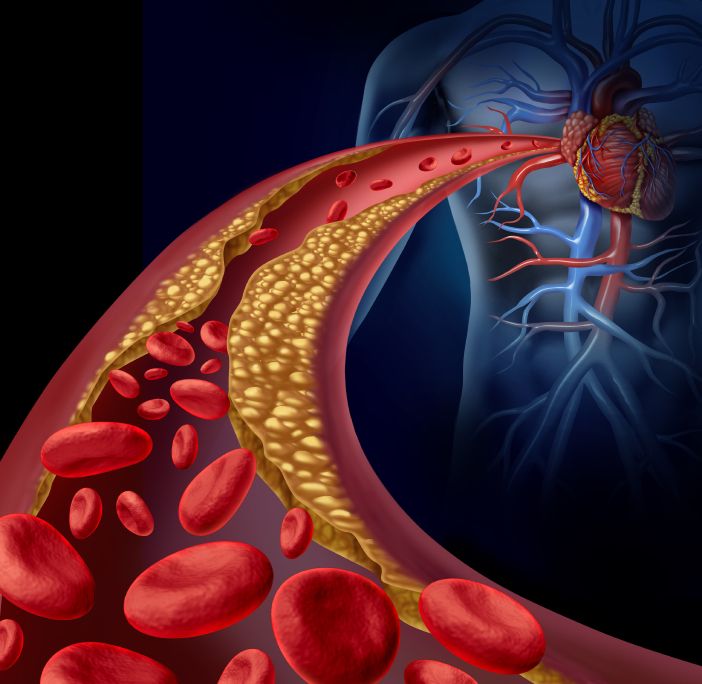
Cardiovascular disease is one of the leading causes of death worldwide. This condition encompasses various disorders affecting the heart and blood vessels, including coronary artery disease, hypertension, stroke, and heart failure. It often develops due to oxidative stress, chronic inflammation, and endothelial dysfunction. With advancements in medical technology, did you know that hydrogen and oxygen nanobubbles therapy has emerged as an innovative solution to support cardiovascular disease treatment?
Hydrogen and Oxygen Nanobubbles and How They Work
Hydrogen and oxygen nanobubbles are a medical technology that utilizes nanobubbles—tiny gas bubbles—to enhance the absorption of hydrogen and oxygen into body cells. Hydrogen is known as a potent antioxidant, while oxygen plays a crucial role in boosting cellular metabolism and oxygenation. When used together, this combination can reduce oxidative stress, improve endothelial function, and enhance blood circulation.
Hydrogen and oxygen nanobubbles therapy works by targeting several key factors in cardiovascular health. Hydrogen acts as a selective antioxidant, neutralizing free radicals, reducing oxidative stress that contributes to atherosclerotic plaque formation, and preventing arterial narrowing. Oxygen nanobubbles help enhance endothelial function, maintain arterial elasticity, and improve oxygen delivery to tissues, reducing hypertension risks and promoting metabolic efficiency. Additionally, hydrogen possesses anti-inflammatory properties, suppressing chronic inflammation in blood vessels and preventing further plaque buildup. The combination of hydrogen and oxygen supports better circulation, helps stabilize blood pressure, and minimizes ischemic effects caused by restricted blood flow. Through these mechanisms, hydrogen and oxygen nanobubbles serve as a complementary therapy to effectively support cardiovascular disease treatment.
Case Study: The Effectiveness of Hydrogen and Oxygen Nanobubbles in Cardiovascular Disease
A recent case study revealed that a patient with significant coronary artery stenosis (CAD) experienced notable health improvements after undergoing intravenous hydrogen and oxygen nanobubbles therapy. After several therapy sessions, the patient showed increased physical capacity, including the ability to climb 22 flights of stairs without experiencing shortness of breath. Furthermore, symptoms like coughing and chest pain decreased, indicating reduced inflammation in blood vessels. These improvements contributed to an enhanced quality of life, particularly in performing daily activities with greater ease.
In addition to symptom relief, this therapy also demonstrated blood pressure stabilization, suggesting that hydrogen and oxygen nanobubbles may help regulate hypertension. While early results show promising clinical benefits, further research is still needed to determine the long-term effects of this therapy, particularly in cases of restenosis (re-narrowing of arteries) that had previously been treated with procedures like stents or bypass surgery.
The Future of Hydrogen and Oxygen Nanobubbles in Heart Disease Treatment
Hydrogen and oxygen nanobubbles therapy presents significant potential in cardiovascular disease treatment, especially as a complementary therapy to enhance the effectiveness of conventional treatments. However, further studies are required to ensure the long-term safety and efficacy of this therapy.
As our understanding of molecular science and nanotechnology advances, this method could become a part of innovative solutions for managing cardiovascular disease in the future. Integrating this technology with a healthy lifestyle, including a balanced diet, regular exercise, and stress management, can provide optimal benefits for heart health. Will this therapy become a new standard in heart disease treatment? Only time and further research will provide the answer. However, with promising early results, hydrogen and oxygen nanobubbles could become a key player in the medical revolution for combating cardiovascular disease.
References:
Hernowo, A. T., Pardosi, J. C., Subagjo, S., Dewi, A. T. K., & Sumitro, S. B. (2024). Partial Reversal of Coronary Stenosis with Intravenous Hydrogen and Oxygen Nanobubble Administration: A Case Report. Preprints, doi: 10.20944/preprints202406.1488.v1. https://www.preprints.org/manuscript/202406.1488/v1
LeBaron TW, Kura B, Kalocayova B, Tribulova N, Slezak J. A New Approach for the Prevention and Treatment of Cardiovascular Disorders. Molecular Hydrogen Significantly Reduces the Effects of Oxidative Stress. Molecules. 2019 May 31;24(11):2076. doi: 10.3390/molecules24112076. PMID: 31159153; PMCID: PMC6600250. https://pubmed.ncbi.nlm.nih.gov/31159153/