A Miraculous Gas Molecule: Nitric Oxide in Cancer Therapy
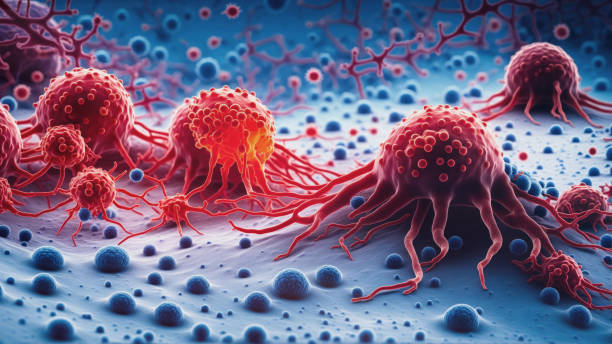
Nitric oxide (NO), a small gas with a big impact, has been in the spotlight of science for its complex role in the human body, especially in cancer therapy. Dubbed as a miraculous molecule, NO contributes to important processes such as vasodilation and neurotransmission. Interestingly, in cancer biology, NO exhibits a dual role: at too low concentrations, it can support tumor growth, while at higher concentrations, it turns into an effective weapon against cancer.
At low concentrations, NO can promote cancer cell growth by activating oncogenic genes (cancer-promoting genes), increasing angiogenesis (formation of new blood vessels that support cancer cell growth), and inhibiting apoptosis (programmed cell death). Conversely, at high concentrations, NO exhibits powerful anticancer effects. This gas is able to stop cancer cell division, trigger apoptosis, inhibit new blood vessel formation (anti-angiogenesis), and protect healthy cells from damage.
Early studies have shown that activated macrophages can produce enough NO to inhibit tumor cell growth. These findings form the basis for the development of NO-based therapies, particularly through the use of NO donors, compounds that are able to release NO in a controlled manner. One important finding is that NO concentrations above 200 nM can trigger cancer cell death, while concentrations below this threshold actually support the survival and growth of cancer cells. Therefore, the development of NO-based therapies requires a careful strategy to ensure optimal dose and duration of exposure. Research on NO in cancer therapy continues to grow, although most studies are still in the pre-clinical stage. Several NO donors have shown the ability to increase the effectiveness of chemotherapy and radiotherapy, as well as help overcome cancer resistance to conventional treatments. Thanks to its unique properties, NO not only paves the way for innovation in cancer treatment, but also increases the understanding of how the body's biochemical processes are related to treatment. This small molecule brings great hope for cancer patients in the future. Nitric oxide proves that something small can provide a big solution. With further research, NO-based therapies have the potential to become an important part of more effective and targeted cancer treatment.
Article link: https://pmc.ncbi.nlm.nih.gov/articles/PMC5137992/